

What makes this service practical
One scope for related jobs
Grouping maintenance tasks can save repeat visits and muddled planning.
Repairs shaped by the property
Condition, urgency and surrounding building elements affect the approach.
Fencing work covered too
Boundary repairs, panel replacement and new timber fencing can be included.
Practical property repairs when jobs start piling up
Some properties do not need one specialist trade so much as a clear head, a practical eye and somebody willing to sort what is in front of them properly. This service is for general repairs, routine maintenance and improvement work that needs coordinated attention rather than being left to multiply quietly in the background. With D Wood Property Maintenance, we also cover fencing and boundary work, including wooden fence installation, panel and post replacement, repairs, maintenance, painting, removal and pool fence installation where required.
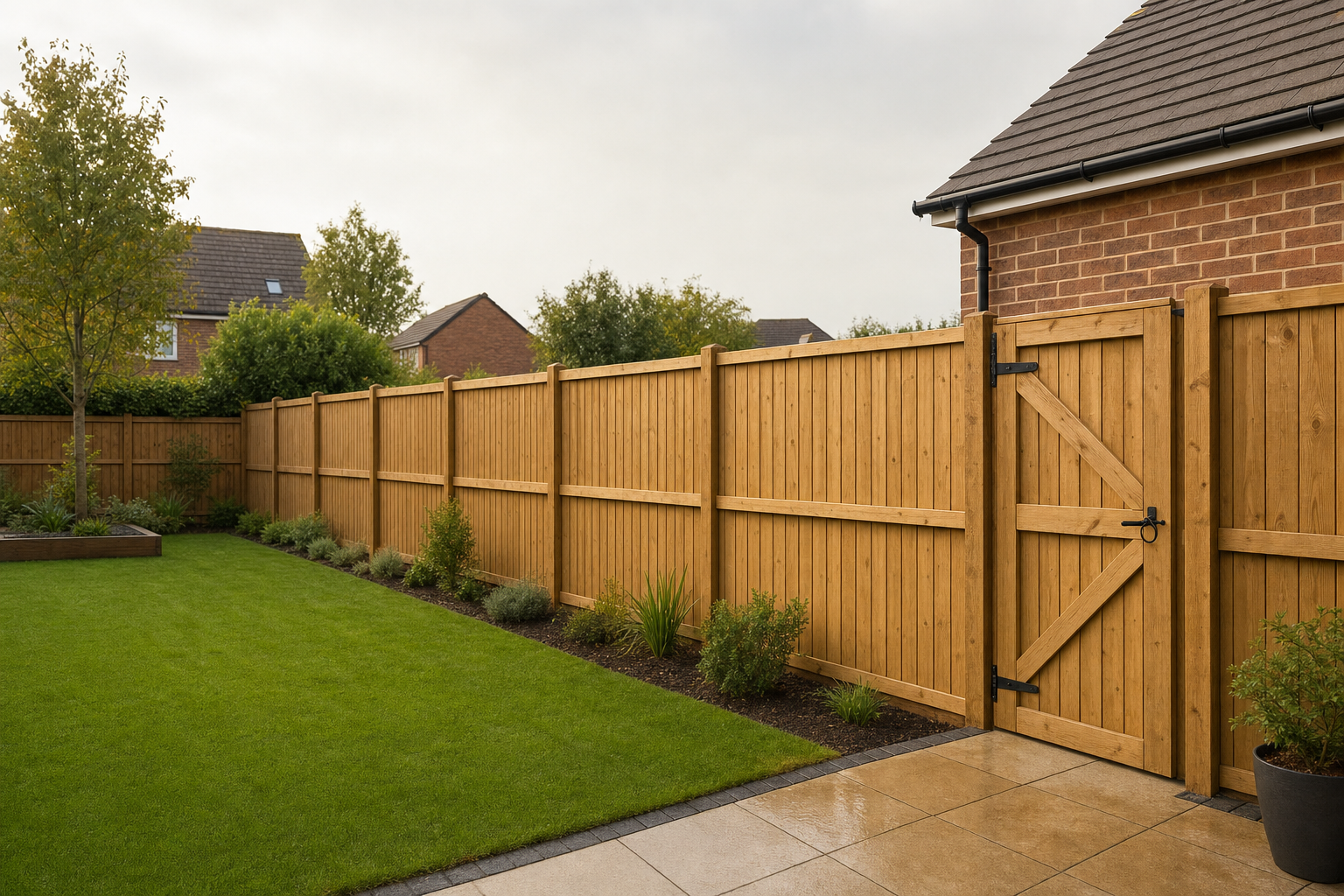
Property repairs scoped together for a coordinated approach
Small defects often travel in packs. Customers call on D Wood Property Maintenance when one repair uncovers another or when a property has several issues that make more sense as one clearly scoped visit or project. We look at condition, urgency, access and how one part of the building affects another, then plan the work in a sensible order. Call D Wood Property Maintenance with clear descriptions and photographs so we can understand the faults before visiting and talk through the likely next steps.
Frequently asked questions
What kind of jobs fit general property maintenance?
It suits repair, upkeep and improvement tasks that need practical assessment rather than a one-line answer. That can include general repairs, routine maintenance and fencing or boundary work.
Can I ask about several issues at the same time?
Yes. In fact, grouping related tasks can be very useful where a property has a few jobs that interact with each other. We can help separate urgent items from work that can be planned later.
What information helps before you visit?
A clear description of the defect, the property type, access details, preferred timing and photographs all help us understand the likely scope. That gives us a better starting point for discussing the work with you.