
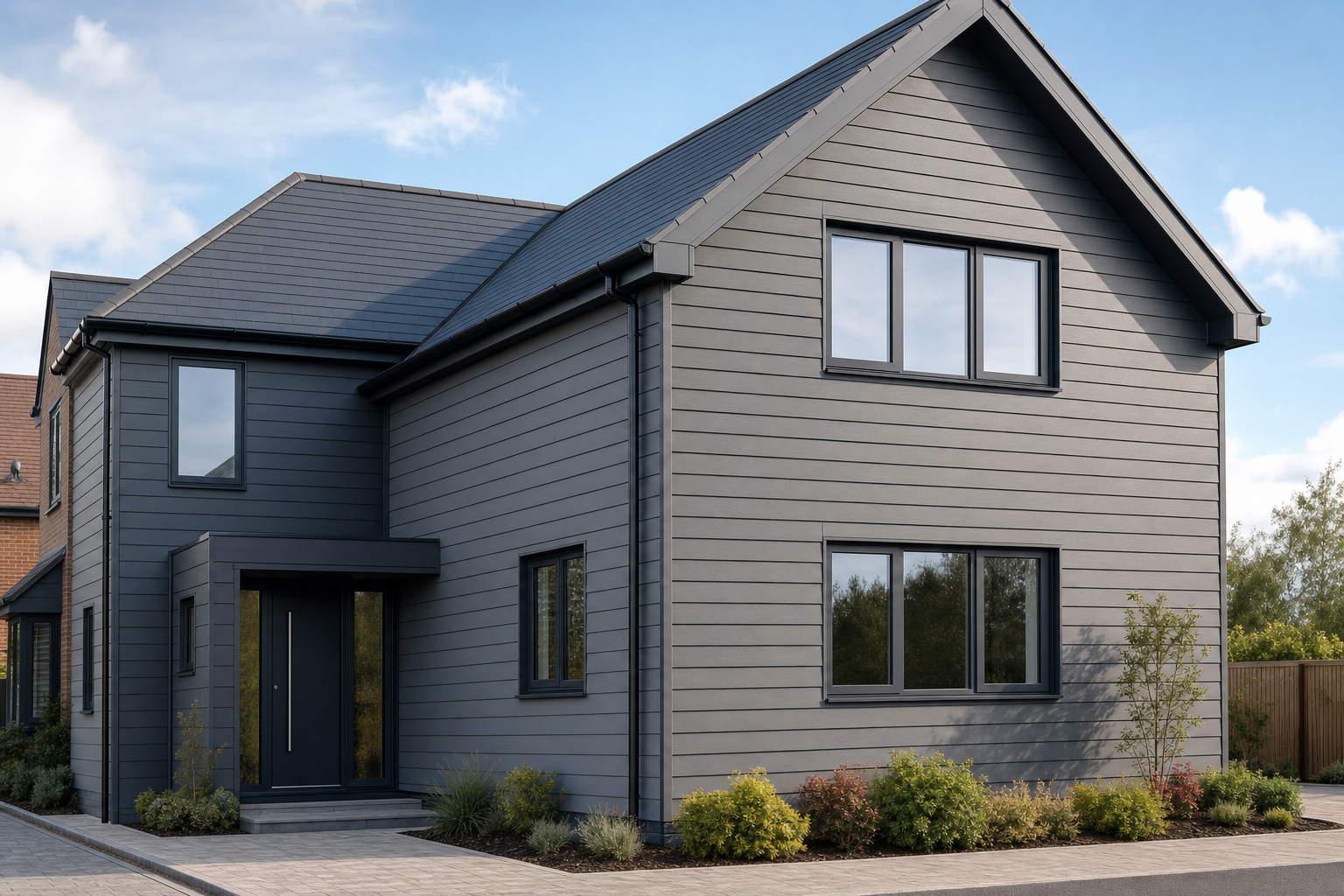
What to expect from a well-planned finish
A smarter exterior line
Profile, colour and orientation are chosen to suit the building as a whole.
Details resolved properly
Corners, openings and trims are planned for a neat, joined-up result.
Protection with less upkeep
A suitable cladding finish can refresh exposed walls with practical benefits.
External wall cladding to refresh and protect exposed walls
External wall cladding can change the look of a property, but it also has a practical job to do. It adds a protective outer finish to exposed wall surfaces and needs to be planned around the condition of what sits underneath. We assess the wall, support system, ventilation needs, insulation interfaces and the details around windows, doors and other openings before installation starts. With D Wood Property Maintenance, the finished elevation is meant to look coherent and stay easy to live with, not just appear tidy on the day it goes up.
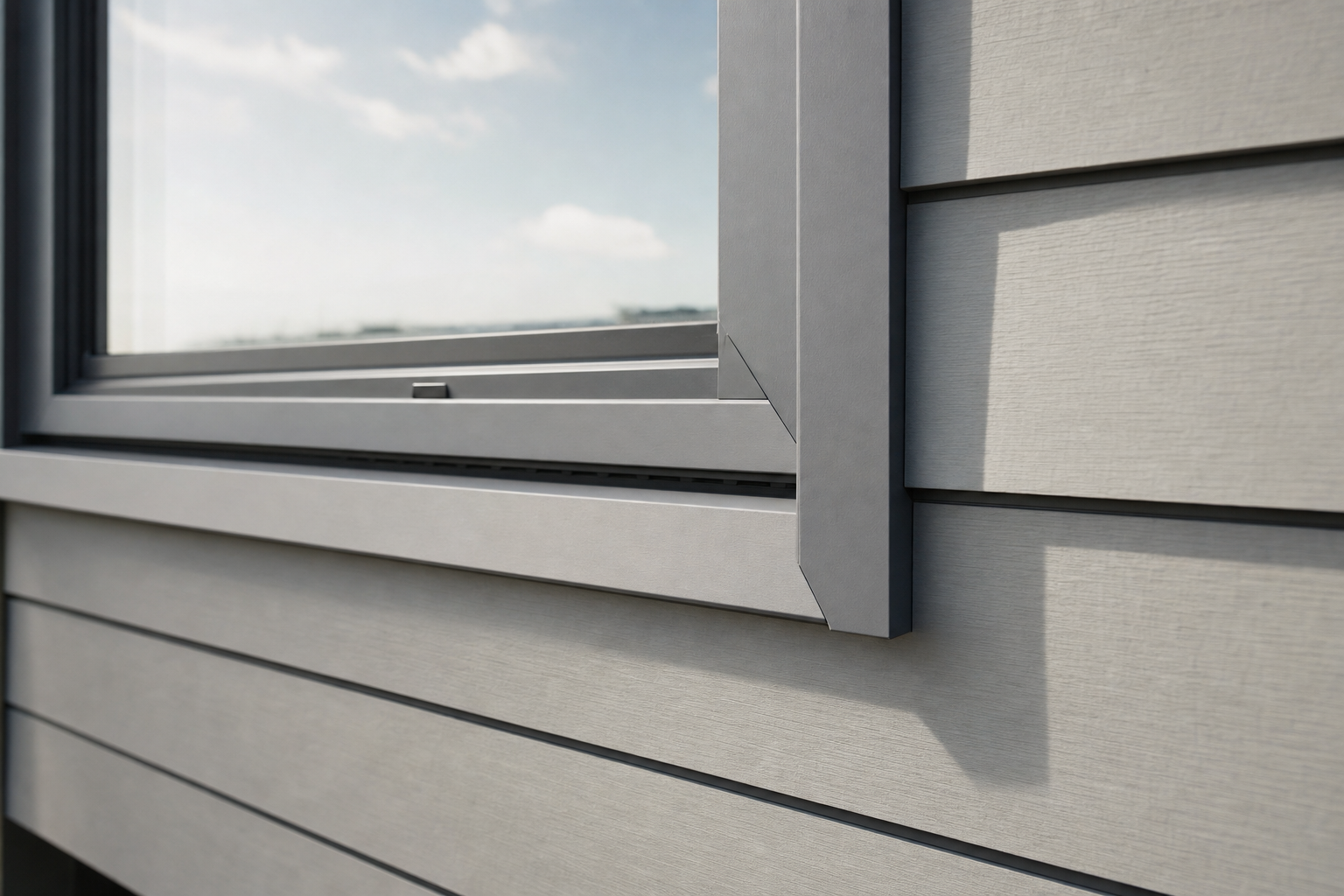
Quality cladding depends on careful edge detailing
The broad wall area gets the attention, but the detail work is what makes the difference. Customers bring D Wood Property Maintenance in when they want careful thought given to corners, trims, orientation, maintenance expectations and how the cladding meets rooflines and drainage components. Those junctions affect the final look and how well the exterior performs over time. Call D Wood Property Maintenance when the aim is a cleaner, better-protected finish rather than something that starts looking awkward around the first window or gutter.
Frequently asked questions
Does the wall behind the cladding need checking first?
Yes. We assess the underlying wall and support arrangement before installation because the cladding has to be fixed to something sound, with the right attention to ventilation and the surrounding details.
How do I choose the right cladding finish?
Appearance matters, but so do maintenance expectations, profile, orientation and how the finish works with the rest of the property. We help you weigh those points up before fitting begins.
Why do trims and corners matter so much?
Because they shape how cleanly the cladding meets edges, openings and changes in direction. Neat detailing around those points helps the whole elevation look intentional rather than pieced together.