
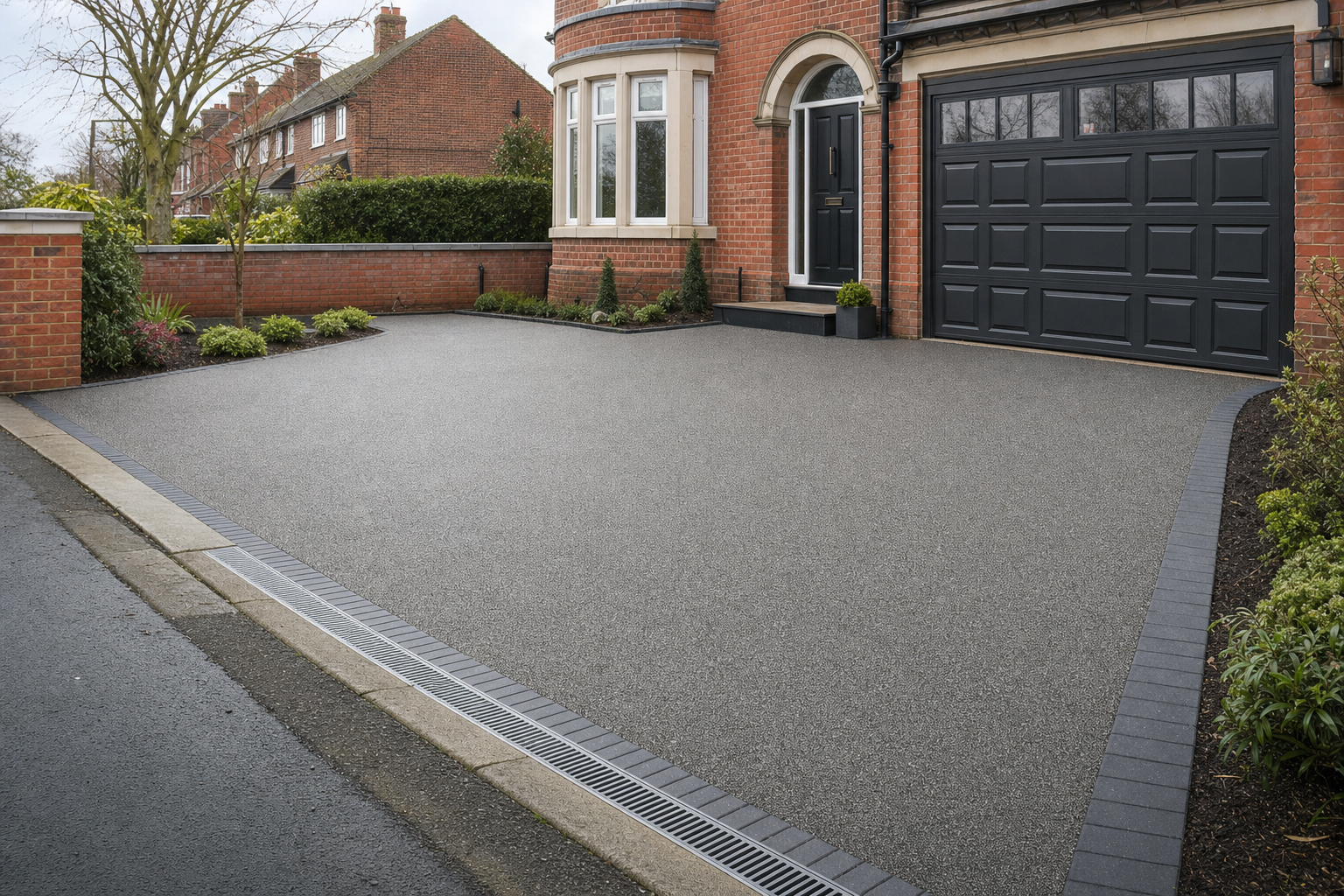
What supports a driveway that lasts
Parking planned properly
The layout is shaped by how vehicles and people move through the space.
The base matters most
Excavation depth and compaction are central to long-term stability.
Water needs a route out
Surface falls and drainage checks help stop standing water problems.
A driveway has to cope with more than first impressions
A new driveway needs to work hard every day, so the planning starts with how vehicles use the space rather than how the finished surface will photograph. We look at site levels, drainage, access, parking layout and the condition of the existing ground before a design is agreed. That helps avoid a surface that looks good for a month and then starts dipping, ponding or breaking at the edges. With D Wood Property Maintenance, the aim is a driveway that suits the property and the way you actually come and go.
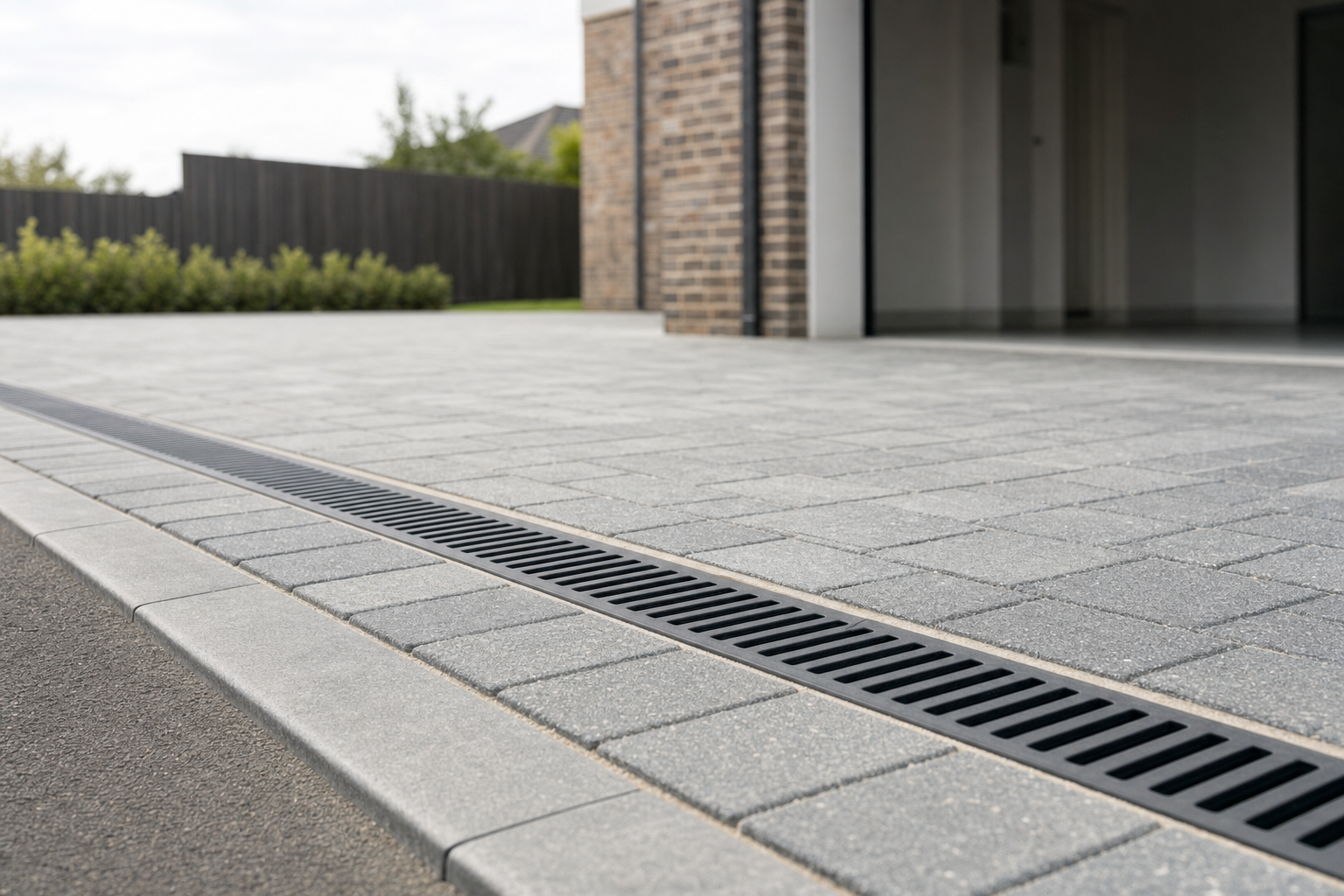
Stable ground, clean layout and sensible drainage
The bits you do not see are usually the bits that matter most. Customers choose D Wood Property Maintenance when they want excavation depth, sub-base compaction, edge restraint and surface falls taken seriously from the start. We also consider road connection, pedestrian access and how the driveway meets walls, paths and the property entrance, so the whole area works together once complete. Call D Wood Property Maintenance when the job needs more than a surface laid over tired ground and a hopeful shrug.
Frequently asked questions
What affects the design of a new driveway?
Vehicle use, parking needs, access, site levels, drainage and the condition of the existing ground all influence the final layout. We assess those practical points before construction starts.
Why is edge restraint important on a driveway?
It helps hold the surface in place and supports the overall structure of the build. Without proper restraint at the edges, the driveway can become more vulnerable to movement and breakdown over time.
Can the driveway be planned with paths or entrances too?
Yes, it makes sense to look at how the driveway meets pedestrian routes, walls and the front entrance so the finished area works as one connected part of the property rather than in awkward sections.